

The impact of luck versus skill in different gambling games
Understanding Gambling Dynamics
The world of gambling is often divided into two key components: luck and skill. While it might seem that luck dominates every game, the intricacies of gambling reveal that skill plays a significant role, particularly in specific games. Luck can provide an edge in instant games, effectively influencing their outcomes, but understanding this dynamic can enhance players’ experiences and strategies.
For example, online platforms offer various games that exhibit this dichotomy. Players seeking a combination of challenging gameplay and luck-driven excitement may find enjoyment in games such as an ice fishing real money game, where skillful navigation can lead to attractive outcomes, even as chance partially dictates successes.
Games of Pure Luck
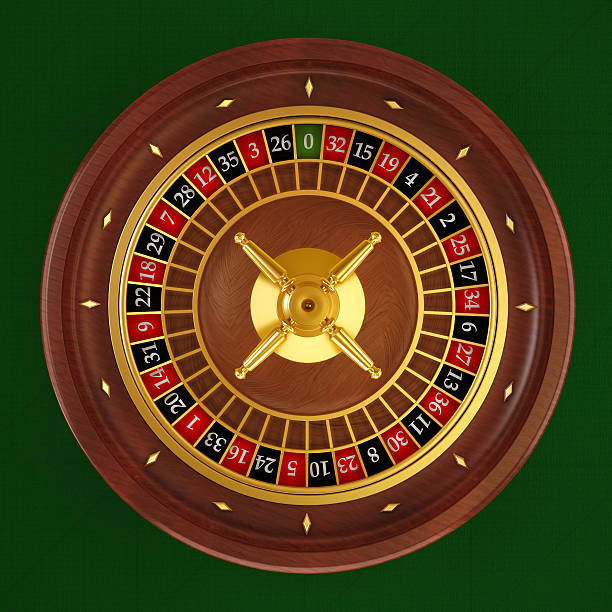
In games like roulette or slot machines, chance reigns supreme. The mechanics involved in these games are designed to be simple and primarily reliant on the random generation of outcomes. Players cannot employ strategies or skills to influence the results; hence, the outcome is purely a stroke of luck. Understanding this aspect can help players manage their expectations and emotional responses when engaging with these games.
Roulette, for instance, operates through a random number generator and offers various betting options. While knowledge of probabilities is beneficial, ultimately, no skill can alter the inherent randomness of the spinning wheel. This creates an environment where players should remain aware of their budget and gamble responsibly, as outcomes can be completely unpredictable.
Skill-Based Games and Strategy
Contrary to pure luck games, skill-based gambling games such as poker and blackjack significantly emphasize strategy and decision-making. In poker, players compete against one another more than against the house, requiring them to analyze opponents’ behaviors, calculate odds, and devise strategies. Thus, while luck plays a role in the cards they receive, the ability to play these cards effectively is crucial to success.

In blackjack, players must understand the implications of their choices based on mathematical probabilities. The skill involved can tip the scales favorably for seasoned players who learn to optimize their decisions based on the dealer’s visible card. Unlike outcomes determined solely by luck, skill-based games usually offer players more control over their fates, leading to variance in outcomes even among experienced participants.
The Middle Ground: Blending Luck and Skill
Some gambling games occupy a space between luck and skill, allowing both elements to influence outcomes. Baccarat is an excellent example where players can rely on chance while implementing strategies regarding betting. Although the game has a relatively high house edge, many players utilize various betting techniques hoping to tilt the odds in their favor.
This blend creates a unique experience where the randomness of card deals intersects with players’ willingness to take risks. Likewise, games that combine elements of fun with a degree of strategy, such as certain board games adapted for gambling purposes, contribute to this interesting interplay. Players can enjoy a game where both their skills in managing resources and the luck of the draw affect the game’s eventual outcome.
Why Understanding Luck and Skill Matters
Grasping the balance between luck and skill in gambling is crucial for several reasons. Knowledge empowers players to make informed decisions, set realistic expectations, and engage in responsible gaming practices. Those who understand which games rely more heavily on skill can better navigate their gameplay strategies, enhancing the overall experience.
Moreover, recognizing the role of luck encourages players to approach gambling with a healthy mindset, fostering an appreciation for both the thrill of unpredictability and the challenge of strategic play. In doing so, players can cultivate a rich understanding of games, transforming casual gaming into a more immersive experience.